
Up to 70% IBF funding* T&Cs Apply , Cybersecurity Solutions
CEP Courses in collaboration with SGX* T&Cs Apply
Up to 70% IBF funding* T&Cs Apply , Cybersecurity Solutions
Up to 70% IBF funding* T&Cs Apply

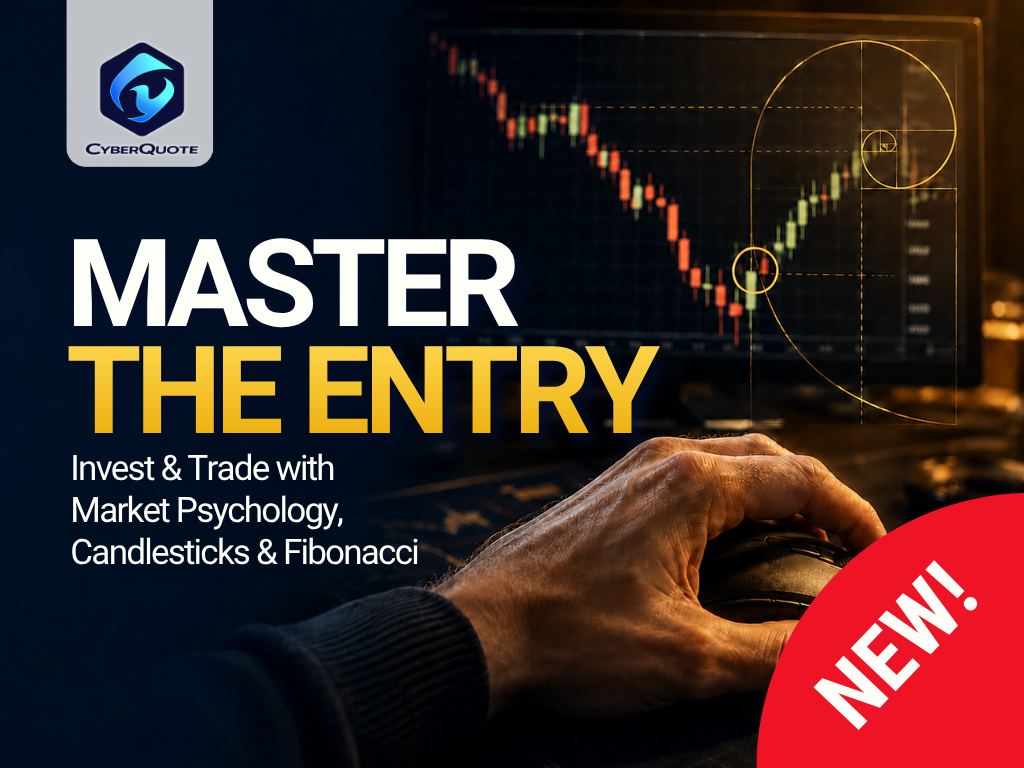
Master the Entry: Invest & Trade with Market Psychology, Candlesticks & Fibonacci
Course Description
This course teaches precision trade entries by combining technical analysis (candlesticks, Fibonacci retracements, volume) with behavioural finance, the study of crowd psychology in markets.
What You Will Learn:
Successful trading isn’t just about reading charts, it’s about reading the crowd behind them. This course teaches you to interpret candlestick patterns, Fibonacci retracements, and volume data as signals of institutional activity (“institutional footprints”). You’ll learn to:
- Identify major market reversals before they’re obvious
- Spot false breakouts that trap retail traders
- Place stop-losses at technically logical levels, not arbitrary ones
Key TakeAway:
By the end of this session, you will possess a repeatable framework to:
- Read Market Sensitivity Signals: Anticipate sharp price pivots instead of chasing lagging indicators.
- Time Precise Entries: Enter trades with absolute precision to minimize initial drawdown.
- Protect Your Capital: Establish systematic, iron-clad risk parameters using logical stop-loss placements.
- Apply Across Markets: Use the same framework on stocks, forex, crypto, or futures, on any charting platform.
Who Is This For?
Built for investors and traders looking to improve the precision of their entry price levels, especially:
Value investorsInvestors who invest in value stocks that are not trending, and need a disciplined way to time entries. |
Precision-focused tradersTraders who want to achieve precision entries and define clear, systematic stop-loss levels. |

Online via
ZOOM
ZOOM

8 hours

1 Instructor +
TA supports
TA supports
Course Structure (Curriculum)
Session 1: Attributes of Precision Entry
-
-
- Initiating positions effectively
- Planning strategic stop-losses
-
Session 2: Mastering Candlestick Analysis
-
-
- Candlestick reversal patterns
- The market psychology behind each pattern
-
Session 3: Fibonacci Applications
-
-
- BIdentifying significant pivot points to plot Fibonacci levels
-
Session 4: Volume Analysis
-
-
- Interpreting volume setup and market conviction
-
Session 5: The Technical Synergy
-
-
- Combining candlesticks, Fibonacci, and volume to spot potential turnarounds
-
Session 6: Integrating Fundamentals
-
-
- Aligning fundamental developments with your technical setups
-
Session 7: Practical Application
-
-
- Hands-on workshop featuring live market examples
-
Every cohort includes a hands-on practical session with live market demonstrations — not recorded examples.
Learning Outcomes

Spot sharp price pivots early using candlestick and volume cues, not lagging indicators.

Enter trades at high-probability points using candlesticks and Fibonacci retracements.

Set rules-based stop-losses to manage risk deliberately, not reactively.

Apply the Same Entry Framework Across Any Market
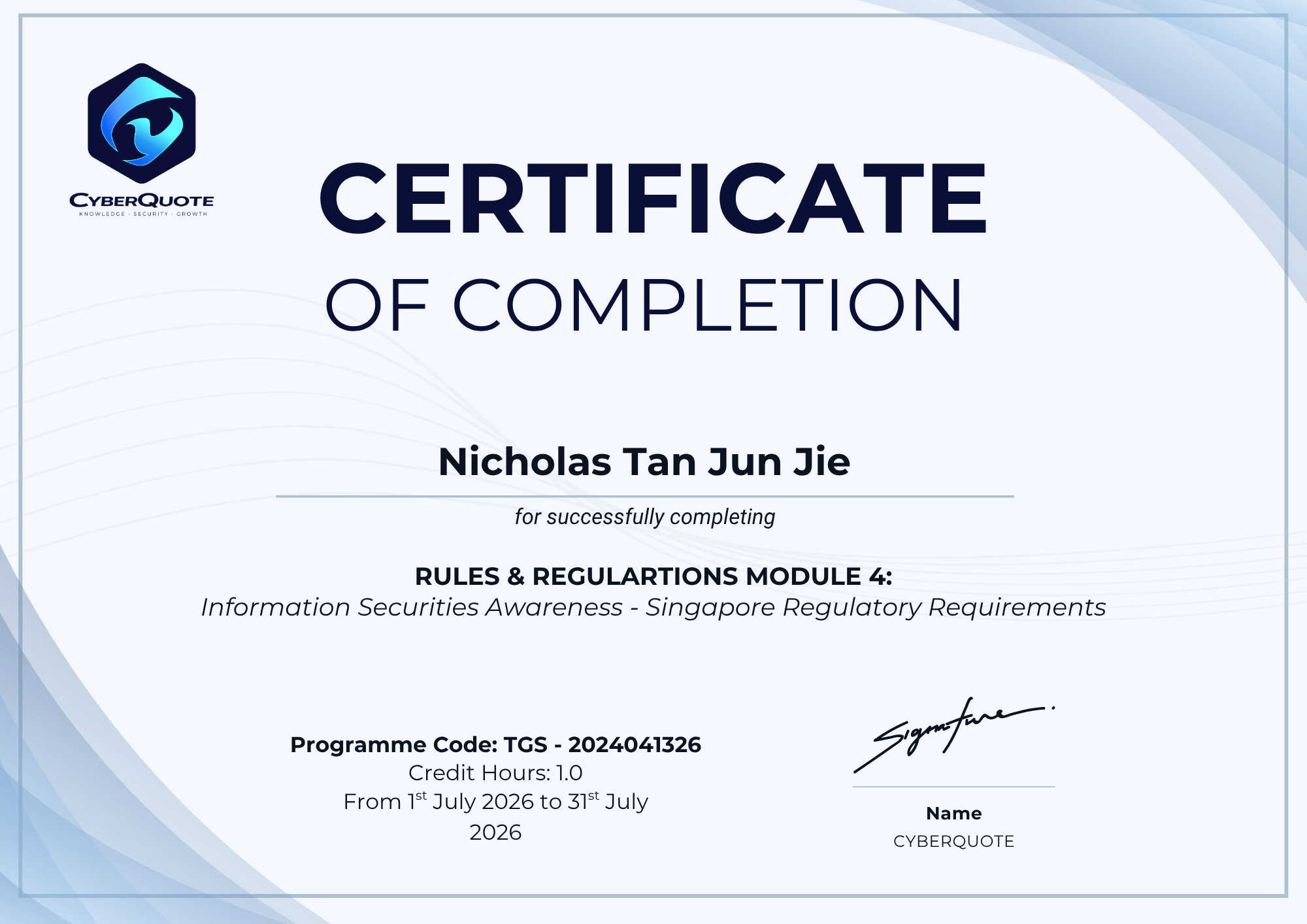

Earn a Certification in Completion
Trainer Profile

Wong Kon How, PBM
Founder, Weipedia — TradingView Wizard 2024
Started as a floor trader in 1995. He later founded Weipedia, which bridges global exchanges and producers with institutions and investors. Leading financial exchanges and institutions engage Weipedia to develop their educational programmes, including the CFA, CME, EUREX, SGX, and HKSI. Weipedia also provides expert witness and opinion writing services, assisting the arbitration process for trading disputes from preliminary research to final court testimony.
Specializing in behavioral science and market psychology, Kon How is an expert in quantamental investing and trading, leveraging these disciplines to identify emerging market trends and forensic price behavior.
 Master the Entry: Invest & Trade with Market Psychology, Candlesticks & Fibonacci
Original price was: $ 988.00.$ 788.00Current price is: $ 788.00.
Early Bird: Save $200 – ends 31 Oct 2026
 Duration: 8hrs
Upcoming Course Dates
 7 Nov 2026 (10am-6pm)
Required Skills
- IT Savvy
- Proficient in Mathematics

 TESTIMONIALS
Hear From Our Learners and Partners
This is my second time attending course organized by CyberQuote and Darren as the trainer. Darren is very experienced and knowledgeable trainer. He is always willing to help and share his practical knowledge and able to answer our questions. The training materials are comprehensive and appreciate that CyberQuote deliver the physical notes to our home. The additional analysis worksheets that will be very useful for future templates as well.
Ting Hian Ong
Had attended the LIM and REIT Analysis courses. Both lessons provide valuable insights into the world of investing. Coupled with a knowledgeable trainer and a well-supported CQ team - very good learning journey for me. Only regret that I should have joined much earlier on.
Fok Chee Hoong
Course is very useful . Darren has shared valuable insights on key considerations and pitfalls in reits investment. Had log in problem with MCQ. Suggest improve support for such problem by providing phone number to call in email.
MG BOOM SIM
Darren Chew is patient and could explain the course notes in clarity. Well done. The case studies was well explained and the course was well organized in a systematic way.
Tian Sing
Course is well paced and informative - I do wish there are more time given to practice on more case studies. Overall, Darren is a very experienced trainer who knows the market well. I like how he advises us on each scenario. Thank you.
Michelle
Learn to Time Trade Entries Using Candlesticks, Fibonacci & Market Psychology
A structured course teaching traders how to identify high-probability entry points by combining candlestick pattern analysis, Fibonacci retracement levels, and market psychology, reducing reliance on lagging indicators.